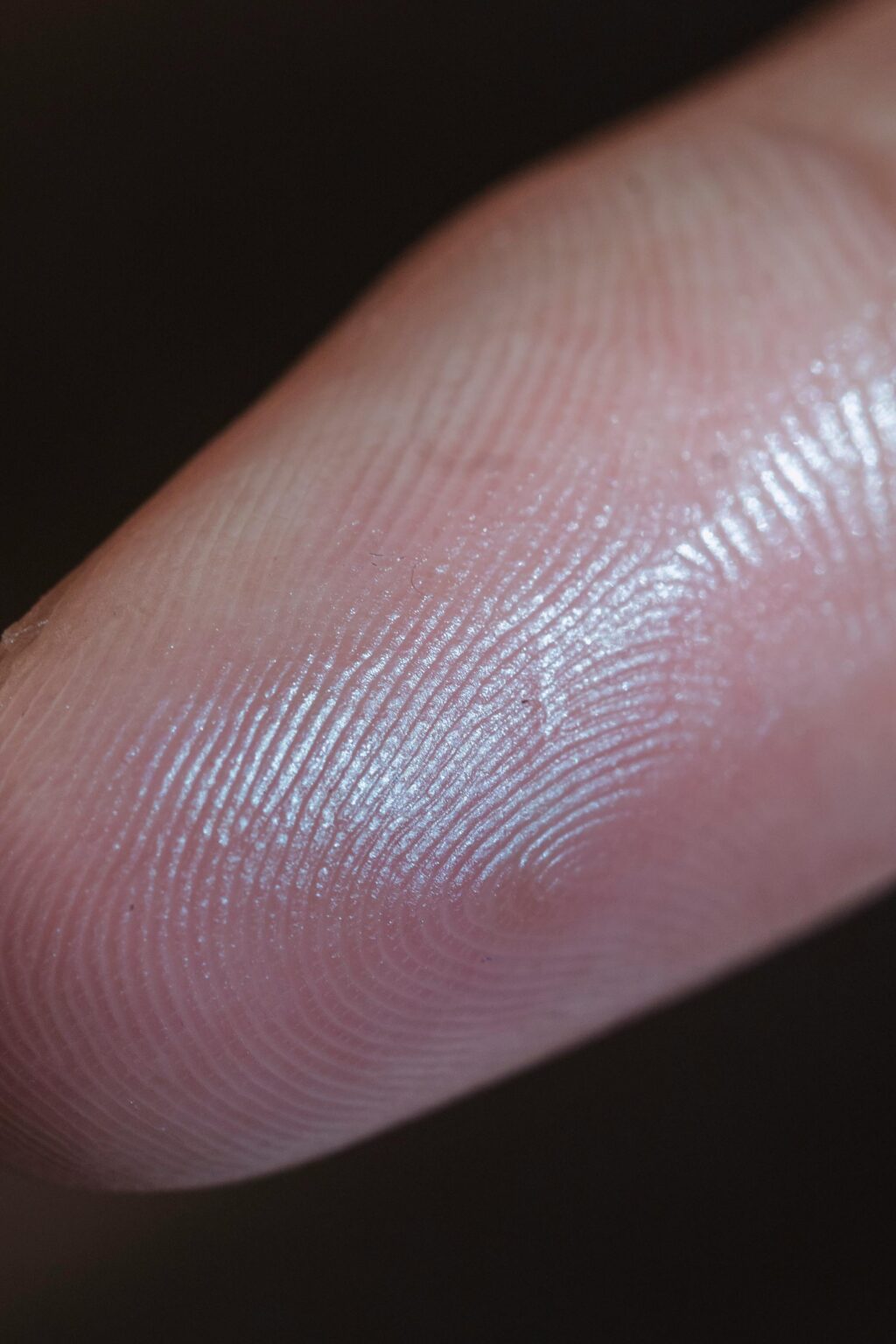
A groundbreaking AI research from Columbia University and the University at Buffalo has uncovered hidden structural similarities in fingerprints from different fingers of the same person, potentially upending over a century of forensic science that assumed every print is entirely unique. Published in Science Advances in January 2024, the study used deep contrastive learning on over 60,000 fingerprint images to achieve 77% accuracy in linking prints from different fingers—rising higher with multiple samples. For PC users relying on fingerprint scanners for logins or security, this could mean rethinking biometric reliability, while AI tools like this hint at faster forensic leads in investigations.
AI Cracks the Code: Beyond Traditional Minutiae
Traditional forensics focuses on minutiae like ridge endings, but this twin neural network spotted recurring patterns in ridge orientation and curvature—key in the print’s central region. Trained on datasets like NIST SD300/302 and RidgeBase, the model hit over 99.99% confidence for same-person matches, generalizing across sensors and sessions. Saliency maps showed focus on deltas (high directional changes), proving similarities hold across all finger pairs, even between hands.
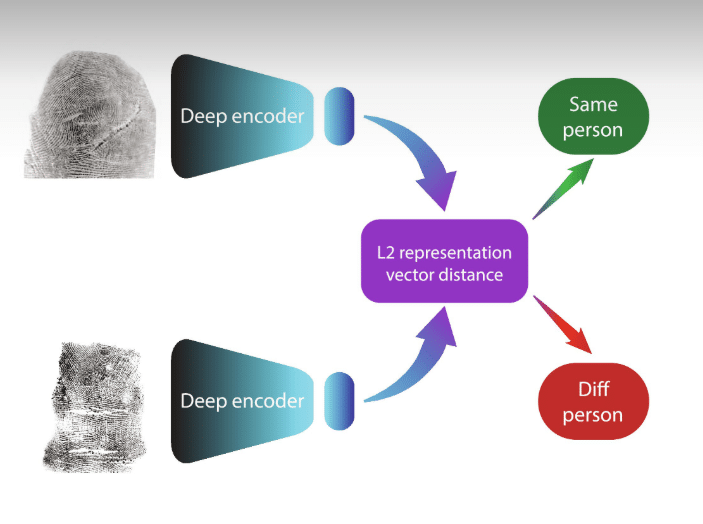
Pre-trained on synthetic PrintsGAN data (500,000+ images), it fine-tuned for real-world accuracy, staying consistent across demographics but highlighting bias risks—calling for diverse training sets.
Forensic Rethink: Slashing Suspect Lists, But Not Court-Ready
In simulations, the AI trimmed a 1,000-suspect list to under 40, linking prints from different crime scenes via intra-person traits—huge for partial/smudged evidence. It’s not for trials yet (accuracy below same-finger standards), but as investigative leads, it could speed cases without needing full 10-print databases.
Biometric Security Shake-Up: Risks and Opportunities
For PC laptops with fingerprint readers (e.g., Windows Hello), this exposes vulnerabilities—hackers could exploit cross-finger similarities to bypass locks. On the flip, it enables flexible auth (use any finger if one’s injured). As AI evolves biometrics, expect multi-factor shifts in PCs and phones.
Summary of Key Study Findings
| Aspect | Details |
|---|---|
| AI Method | Deep contrastive learning on 60,000+ images; focuses on ridge orientation/curvature. |
| Accuracy | 77% for different fingers (higher with multiples); 99.99% same-person confidence. |
| Datasets | NIST SD300/302, RidgeBase, PrintsGAN (synthetic). |
| Forensic Impact | Reduces suspect lists (e.g., 1,000 to <40); leads only, not evidence. |
| Biometric Risks | Cross-finger similarities could enable bypasses; calls for diverse training to avoid bias. |
Community Reactions: Skepticism Meets Excitement
On X, users debate the “end of forensics” hype—@ScienceNews calls it a “game-changer,” but skeptics like @ForensicFacts question court implications. Reddit’s r/science thread (10k+ upvotes) praises the AI shift but warns of wrongful convictions if misused.
This AI breakthrough could redefine PC security—fingerprint scanners ready for an upgrade? Share your thoughts in the comments, and follow PCrunner for more on AI innovations shaking tech foundations!