Even with the chip shortage in the rearview, snagging a solid GPU in 2025 feels like a high-stakes gamble. Prices have stabilized somewhat, but you’re still dropping $500–$2,000+ on a single card that dictates your gaming frame rates, ray tracing prowess, and creative workflow. Nvidia fabs the silicon, AMD and Intel provide alternatives, but it’s the board partners who craft the coolers, PCBs, and software that make or break the experience.
We crunched user reviews from Reddit and forums (over 3,000 posts analyzed), expert benchmarks from Tom’s Hardware and PCMag, and RMA horror stories to rank the majors. Criteria? Reliability (failure rates under load), cooling/performance (temps under 75°C sustained), customer service (RMA turnaround <2 weeks), and value (MSRP adherence + features). Spoiler: No brand’s perfect, but some shine brighter.
11. Colorful
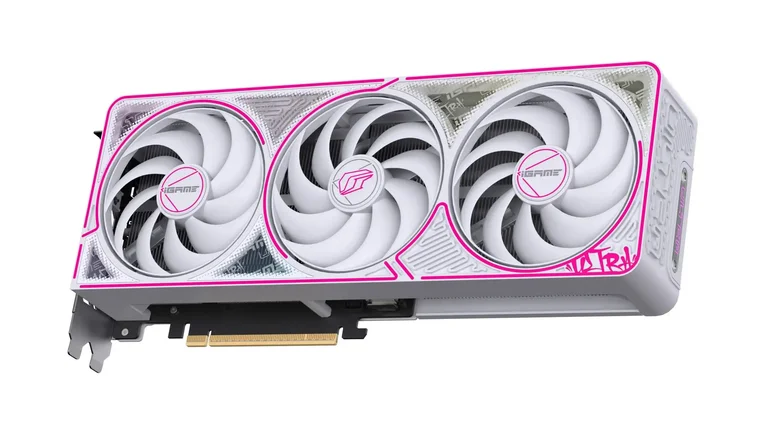
China’s flashy underdog since 1995 dominates Asia with Nvidia and AMD cards, but Western buyers face an uphill battle.
Pros:
- Eye-popping designs: White-themed iGame series with LCD screens and intricate RGB.
- Solid performance: iGame RTX 5080 hits MSRP-ish pricing (~$1,200) and runs cool (65–70°C) with OC headroom.
Cons:
- Availability nightmare: Mostly Newegg imports; stock vanishes fast outside Asia.
- Support black hole: RMA means shipping to China—expect 4–6 weeks and $100+ fees. Forums report zero local help.
Best For: Aesthetic builds in Asia. Skip if you’re stateside.
10. PNY
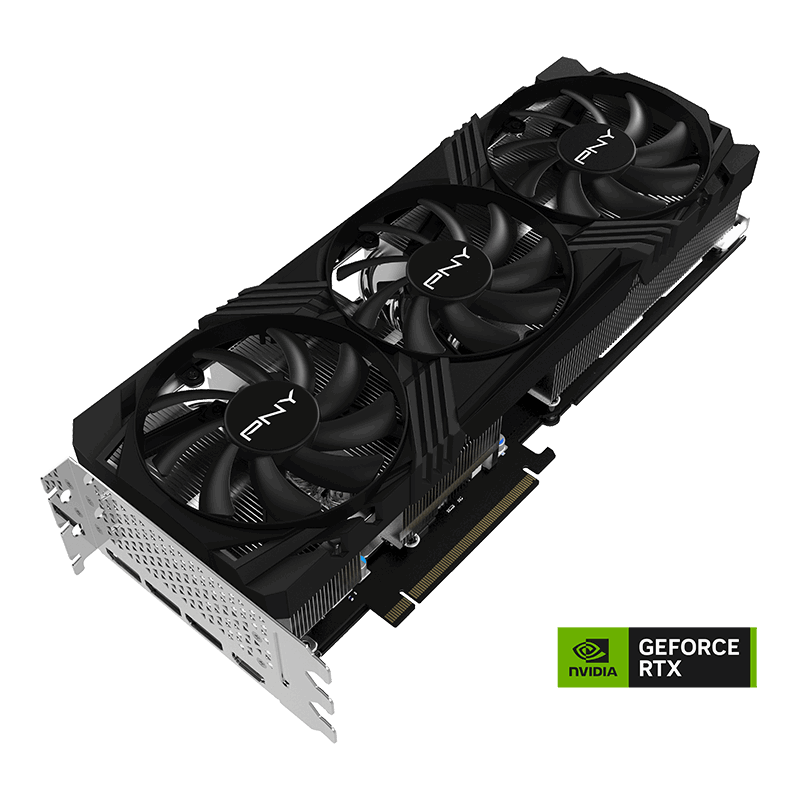
Nvidia-exclusive since the ’80s, PNY’s budget-friendly Verto line appeals to entry-level builders, but service woes drag it down.
Pros:
- Affordable: Verto RTX 5070 at $479 (MSRP match), clean minimal RGB.
- Quiet & capable: XLR8 series stays under 70°C; VelocityX software enables easy auto-OC.
Cons:
- Blame game support: Reddit’s littered with denied RMAs—users report reps faulting “user error” on DOA cards.
- Limited options: No AMD/Intel; higher failure rates (6.2% over 5 years) than peers.
Best For: Tight budgets, if you buy extended warranty.
9. Zotac
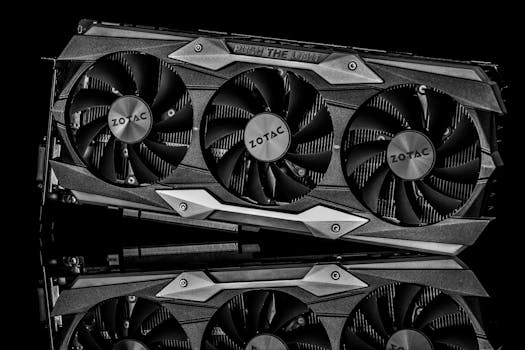
The polarizing value king since 2006 divides Redditors: Bargain hunters love it, but reliability gripes persist.
Pros:
- Wallet-friendly: Twin Edge RTX 5060 under $300, matching MSI perf at lower cost.
- Improved 50-series: Better cooling (68°C avg) than 30-series disasters.
Cons:
- High failure reports: No-signal crashes and fan failures; recent RMA mishaps (e.g., dropped packages denied).
- Mediocre software: FireStorm app lags behind MSI Afterburner.
Best For: Budget Nvidia upgrades—pair with insurance.
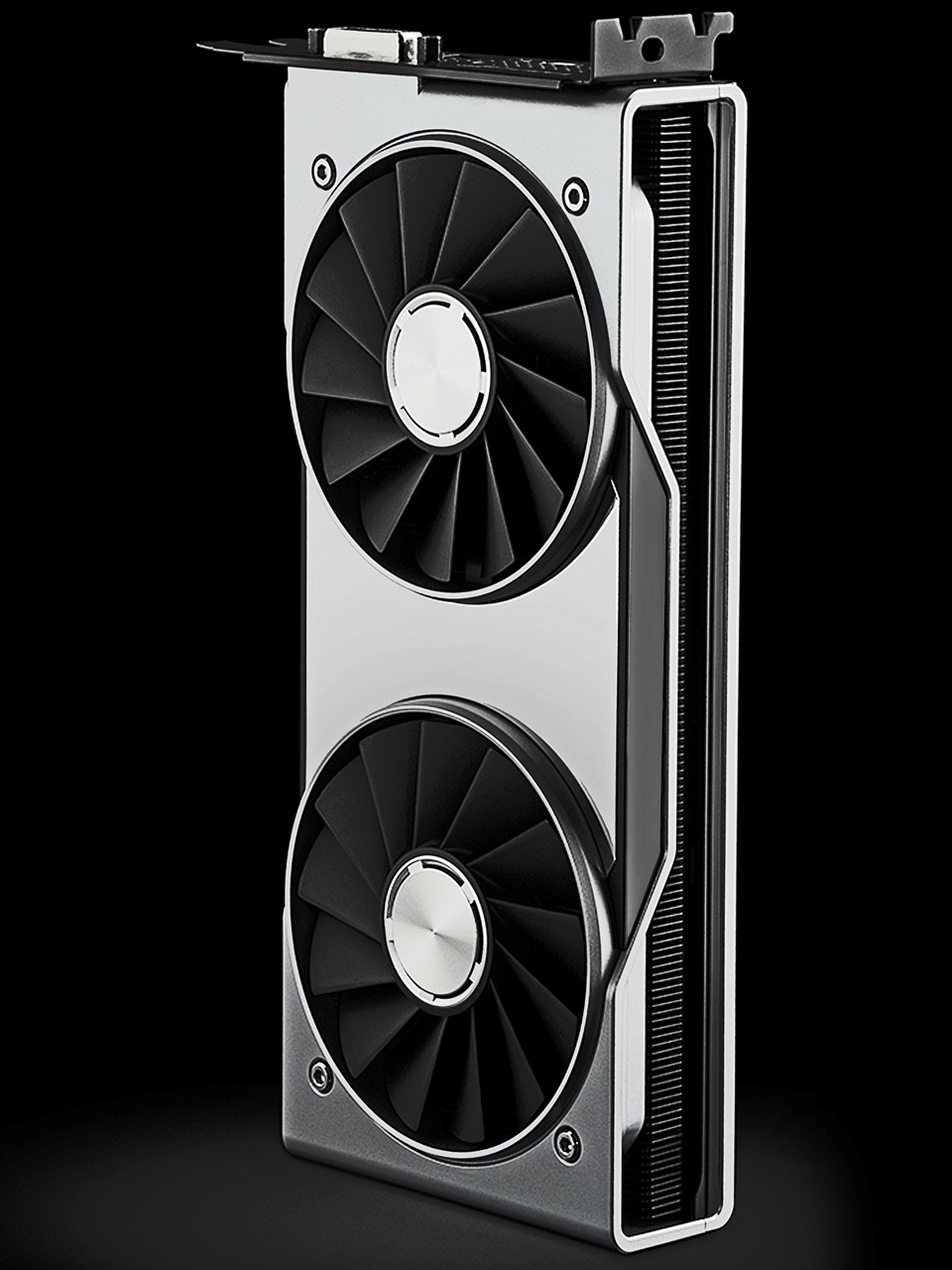
8. Nvidia (Founders Edition)
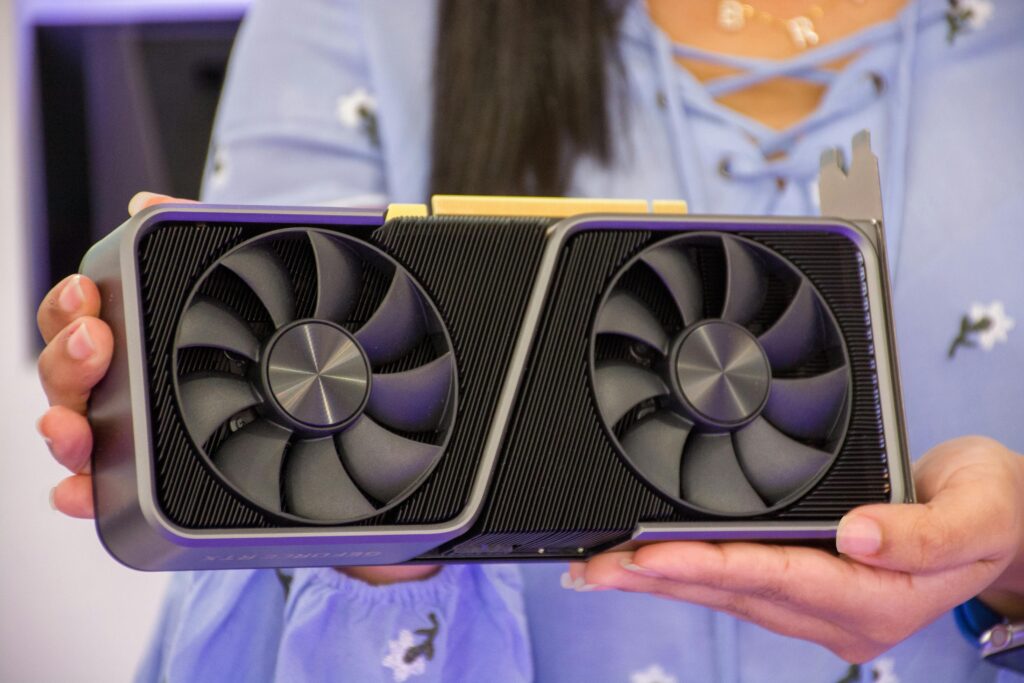
The reference design you can actually buy at MSRP, but it’s no overclocker’s dream.
Pros:
- MSRP king: RTX 5090 FE at $1,599—cheaper than AIB premiums.
- Sleek minimalism: Dual-fan blower for SFF builds; solid 4K perf.
Cons:
- Thermal limits: 5–10°C hotter (80°C peaks) than chunky AIBs; no OC headroom.
- Fragile design: RTX 5090’s FPC connector snaps easily—no user fixes.
Best For: Clean, stock-speed setups.
7. Intel
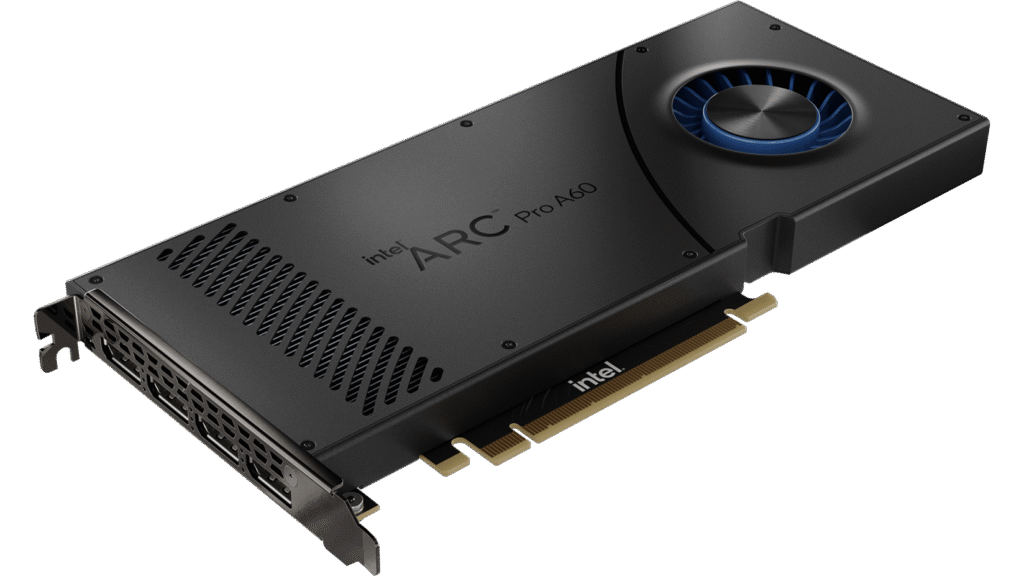
The duopoly disruptor with Arc B-series shaking up 1080p/1440p value in 2025.
Pros:
- Budget beast: Arc B580 at $250 crushes 1440p (XeSS upscaling rivals DLSS).
- Easy availability: No scalping; robust repair network.
Cons:
- RT struggles: Weaker ray tracing than AMD/Nvidia.
- Legacy game quirks: Older titles may stutter without driver tweaks.
Best For: Value 1080p gamers eyeing XeSS.
6. Gigabyte
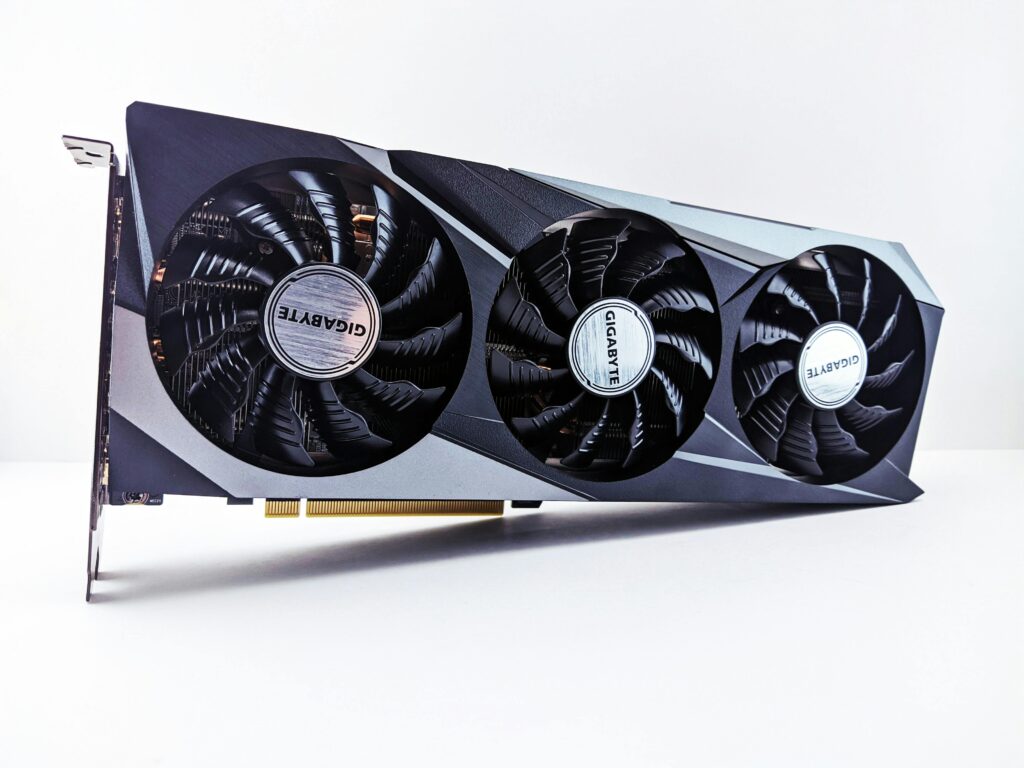
Reliable workhorse with broad Nvidia/AMD support, but past QC sins linger.
Pros:
- Tiered lineup: Aorus for OC beasts (RTX 5080 at 72°C); Eagle for value.
- MSRP-friendly: Often 5–10% under rivals; strong 50-series reviews.
Cons:
- RMA roulette: Denied claims and returned dead cards reported.
- Defect history: Higher 5.8% failure rate in older gens.
Best For: Balanced builds with global warranty (4 years).
5. Gigabyte
Motherboard pros branching into killer AMD/Intel GPUs with quiet cooling.
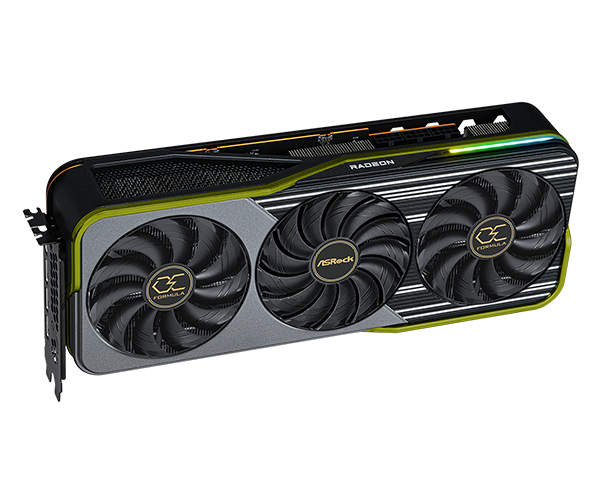
Pros:
- Arc excellence: B580 Challenger runs 10°C cooler than reference, whisper-quiet.
- AMD value: RX 9070 XT at $750—stable 4K performer.
Cons:
- Communication gaps: Month-long RMA delays; 1-year warranty standard.
- Newer to GPUs: Mixed global support.
Best For: Intel Arc or mid-range AMD fans.
4. PowerColor
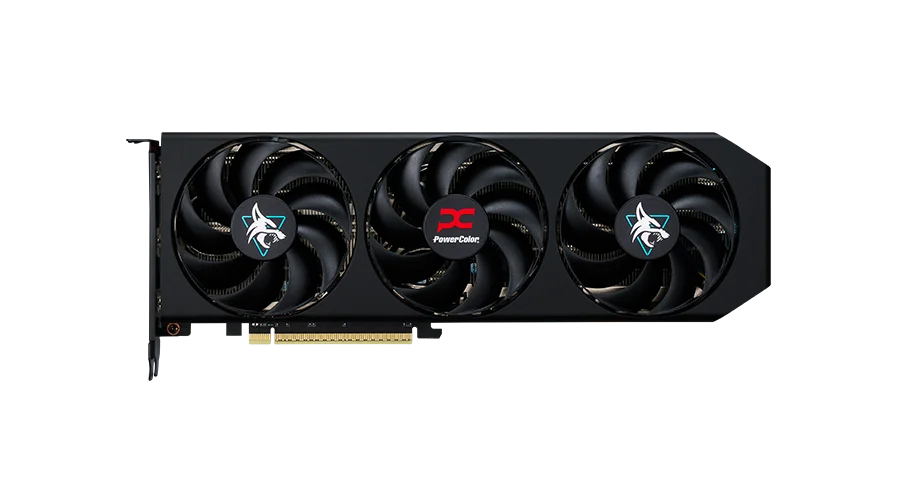
AMD-exclusive since ’97, delivering cooler, OC-friendly Red Team cards.
Pros:
- Thermal champ: Hellhound RX 7800 XT 10–13°C below reference; +12% OC gains.
- Value focus: Competitive pricing, 28% reliability nod in surveys.
Cons:
- Spotty international RMA: US improved, but global varies.
- AMD-only: No Nvidia options.
Best For: Enthusiast AMD overclockers.
3. MSI
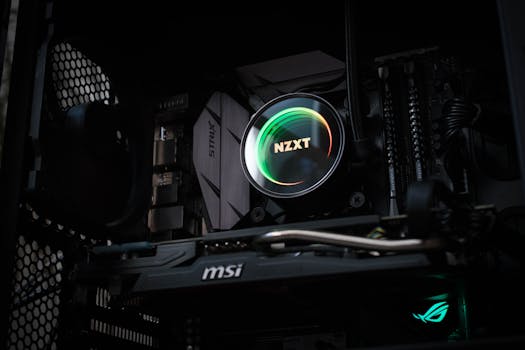
The familiar giant with top-tier software and broad coverage.
Pros:
- Afterburner legend: Best OC tool; Suprim series pushes 5090 to 75°C.
- Low failures: 3.5% rate; Gaming X Trio balances perf/aesthetics at MSRP+5%.
Cons:
- RMA delays: Faulty replacements common; pricey premiums.
- Jank in budget lines: Ventus fans can whine.
Best For: Software-savvy Nvidia/AMD hybrids (3-year warranty).
2. Sapphire
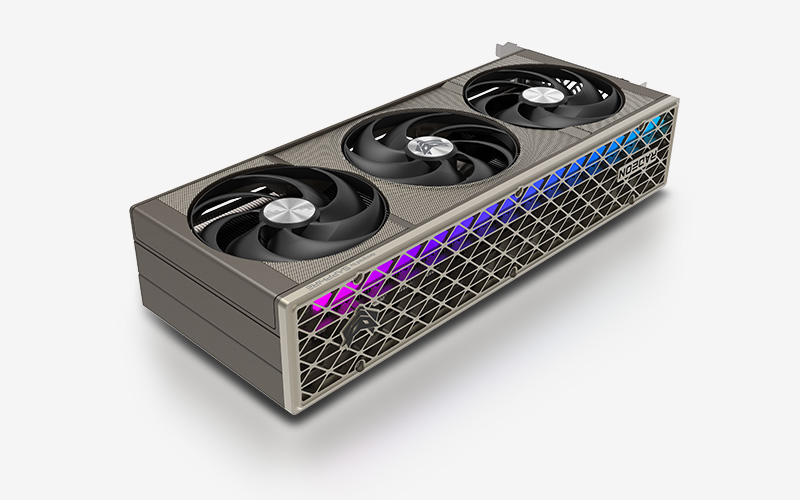
AMD’s reliability royalty—53% of forum recs for zero-fuss ownership.
Pros:
- Cooling mastery: Pulse RX 9070 XT at $669 hits 4K 60+ FPS, sub-70°C.
- Swift support: Week-long RMAs; budget Nitro+ crushes value.
Cons:
- AMD-only: Misses Nvidia ecosystem.
- Premium tax on top models.
Best For: Set-it-and-forget-it AMD builds.
1. Asus
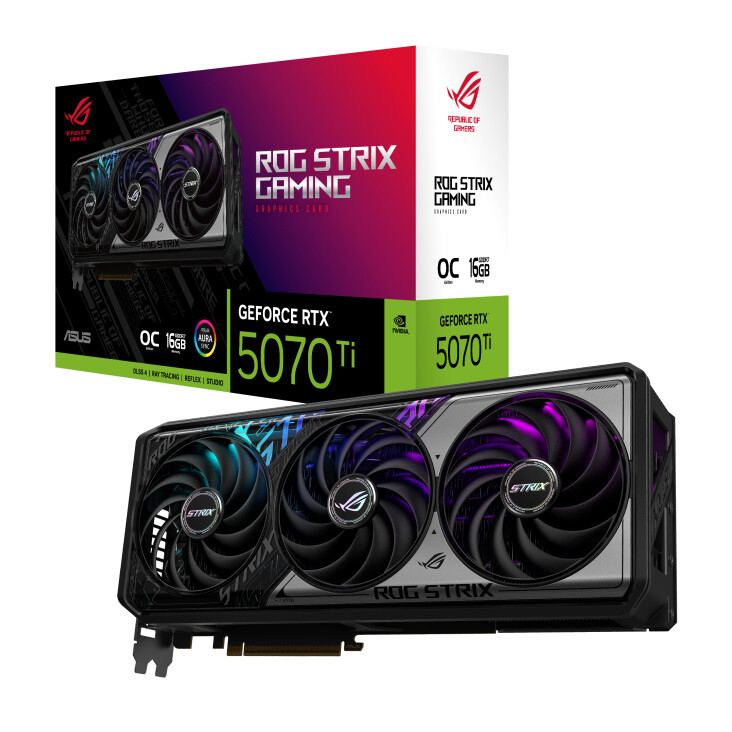
Performance pinnacle with unmatched cooling, despite service stumbles.
Pros:
- OC dominance: TUF RTX 5090 8°C cooler than FE; variants for every budget.
- Global network: 3.2% failure rate; vast dealer support.
Cons:
- RMA scandals: GamersNexus exposé on warranty tricks; damaged returns.
- Pricey: $1,000+ over MSRP on flagships.
Best For: Max-frame-rate chasers who can stomach the cost.
In 2025, prioritize Sapphire/PowerColor for AMD, Asus/MSI for Nvidia, and ASRock for Intel. What’s your next GPU ?