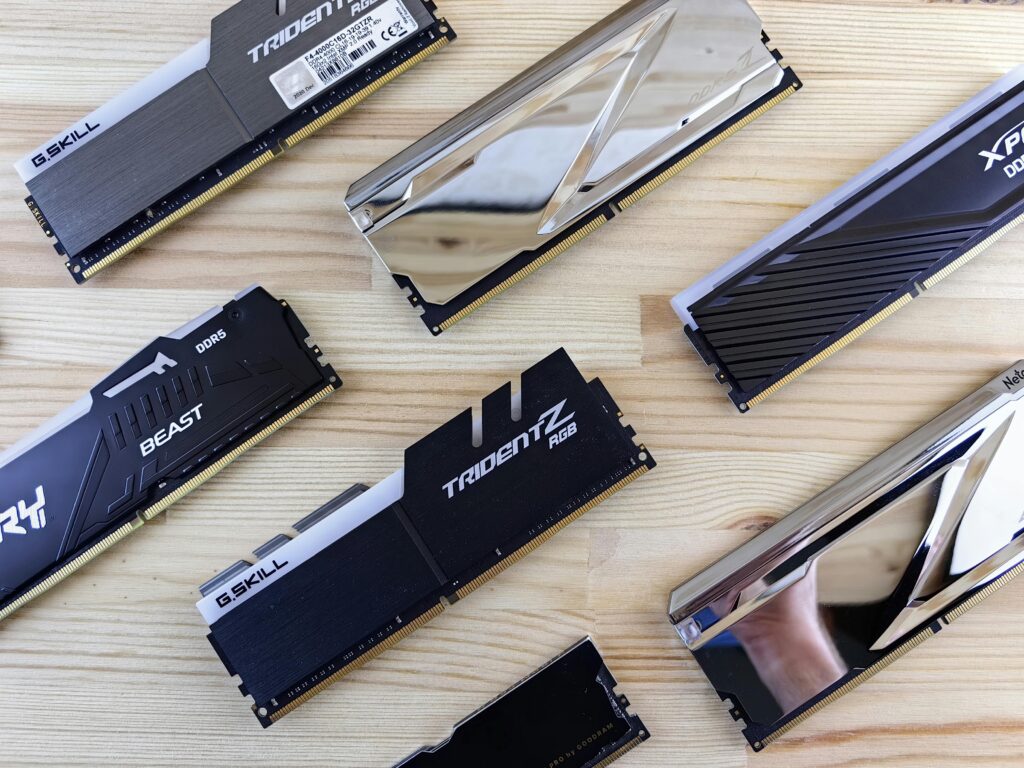
DDR4 memory pricing is showing the first signs of relief after an extraordinary run-up. According to recent spot market data, DDR4 16 Gb modules dropped about 5% in March compared to February, following a staggering 2,200%+ surge over the past year.
Spot vs. Contract Pricing Explained
- Contract Pricing: Long-term agreements between memory makers (Samsung, SK hynix, Micron) and big buyers like Dell, HP, Apple, or server makers.
- Spot Pricing: Immediate, smaller-volume deals typically used by distributors and supply chain companies.
The recent 5% correction applies to both DDR4 and DDR5 spot prices. However, DDR4 has been hit much harder overall due to manufacturers shifting production capacity to DDR5. As a result:
- DDR4 16 Gb module: From $3.20 in March 2025 → $74.10 now (≈ 2,215% increase)
- DDR5 16 Gb module: From $5.30 in March 2025 → $37.20 now (≈ 600% increase)
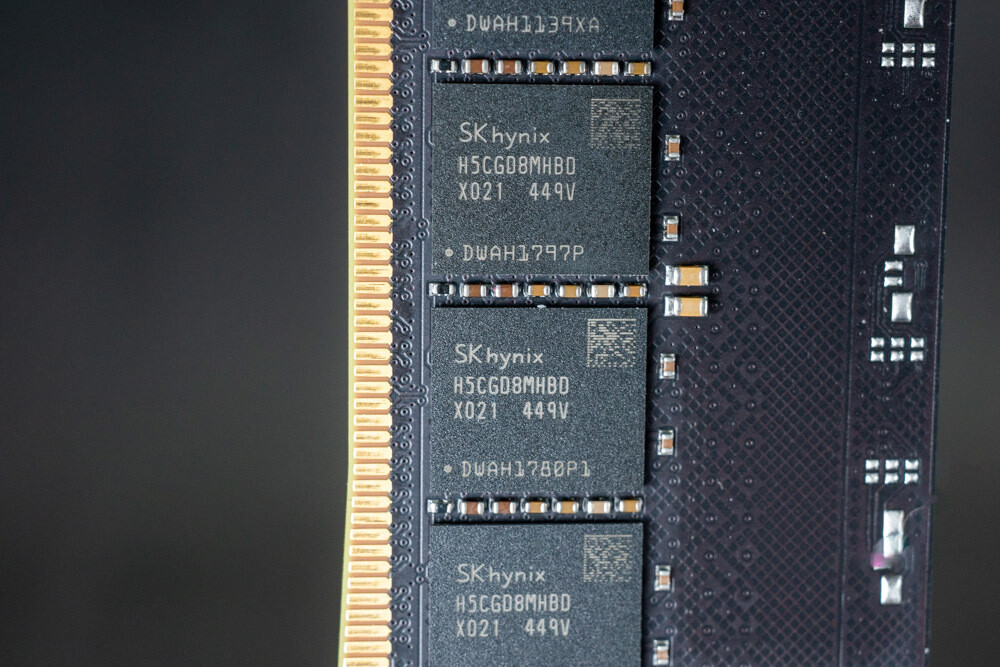
This unusual situation—where DDR4 became dramatically more expensive than DDR5—stemmed from the industry-wide transition to newer technology, which reduced DDR4 supply while AI-driven demand kept overall memory tight.
The good news is that spot prices are finally easing, which could eventually help PC builders, laptop makers, and enthusiasts who have been priced out of larger RAM upgrades. Still, contract prices for big OEMs tend to move more slowly, so the full benefit may take a few more months to reach retail.
Summary Chart
| Memory Type | Price in March 2025 | Current Spot Price | Increase |
|---|---|---|---|
| DDR4 16 Gb | $3.20 | $74.10 | ~2,215% |
| DDR5 16 Gb | $5.30 | $37.20 | ~600% |
Recent change: -5% for both DDR4 and DDR5 spot prices in March.
Sources: Spot market reports from industry trackers (including data referenced in recent memory market analyses), Reuters-style supply chain updates, and public pricing trends from major distributors.
What do you think about these wild DDR4 price swings? I’d love to hear your thoughts!